


 时序分析的基本概念

1 setup time
Setup time (建立时间)是数据信号(D)在时钟事件(这里以时钟上升沿为例)发生之前保持稳定的最小时间。以便时钟可靠地对数据进行采样。适用于同步电路,如触发器(flip-flop)。
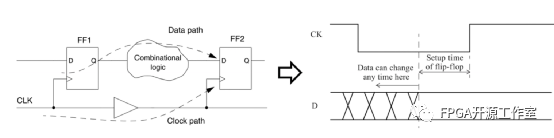
2 hold time
Hold time (保持时间) 是数据信号(D) 在时钟事件(这里以时钟上升沿为例)发生之后保持稳定的最小时间。
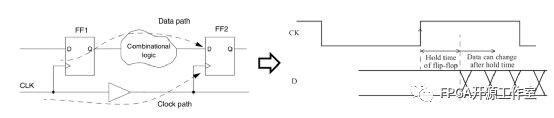
3 Propagation Delay
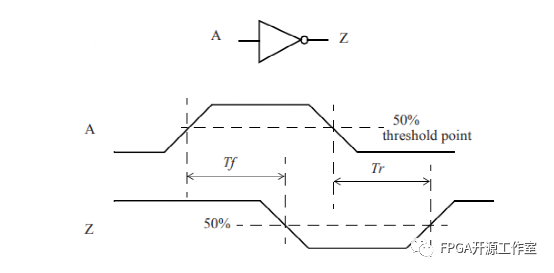
信号传播延时(Propagation Delay),以反相器(Inverter)为例,A输入信号变化(0-1的50%)为开始,到Z输出信号变化(1-0的50%)所需的时间称为Tf, A输入信号变化(1-0的50%)为开始,到Z输出信号变化(0-1的50%)所需的时间称为Tr。
    Output fall delay (Tf)
    Output rise delay (Tr)
# Threshold point of an input falling edge:
input_threshold_pct_fall : 50.0;
# Threshold point of an input rising edge:
input_threshold_pct_rise : 50.0;
# Threshold point of an output falling edge:
output_threshold_pct_fall : 50.0;
# Threshold point of an output rising edge:
output_threshold_pct_rise : 50.0;
审核编辑:刘清
声明:本文内容及配图由入驻作者撰写或者入驻合作网站授权转载。文章观点仅代表作者本人,不代表电子发烧友网立场。文章及其配图仅供工程师学习之用,如有内容侵权或者其他违规问题,请联系本站处理。
举报投诉
-
触发器
+关注
关注
14文章
2065浏览量
63640 -
时序分析
+关注
关注
2文章
130浏览量
24301 -
同步电路
+关注
关注
1文章
61浏览量
13802
原文标题:时序分析的基本概念(1)
文章出处:【微信号:leezym0317,微信公众号:FPGA开源工作室】欢迎添加关注!文章转载请注明出处。
发布评论请先 登录
相关推荐
热点推荐
时序分析基本概念
发表于 05-06 14:35
时序分析基本概念介绍——时序库Lib,除了这些你还想知道什么?
时序分析基本概念介绍——时序库Lib。用于描述物理单元的时序和功耗信息的重要库文件。lib库是最基本的时
时序分析基本概念介绍
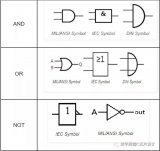
今天我们要介绍的时序分析概念是Combinational logic. 中文名组合逻辑单元。这是逻辑单元的基本组成器件。比如我们常见的and, or, not, nand,nor等门电路。
FPGA设计中时序分析的基本概念
时序分析时FPGA设计中永恒的话题,也是FPGA开发人员设计进阶的必由之路。慢慢来,先介绍时序分析中的一些基本概念。
时序分析基本概念介绍<Latency>
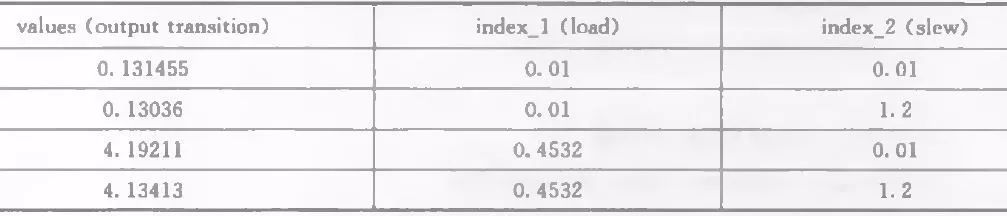
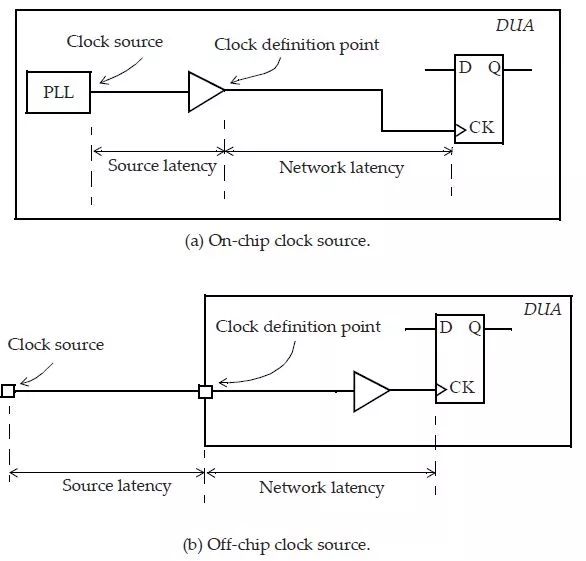
今天要介绍的时序分析基本概念是Latency, 时钟传播延迟。主要指从Clock源到时序组件Clock输入端的延迟时间。
介绍时序分析基本概念MMMC
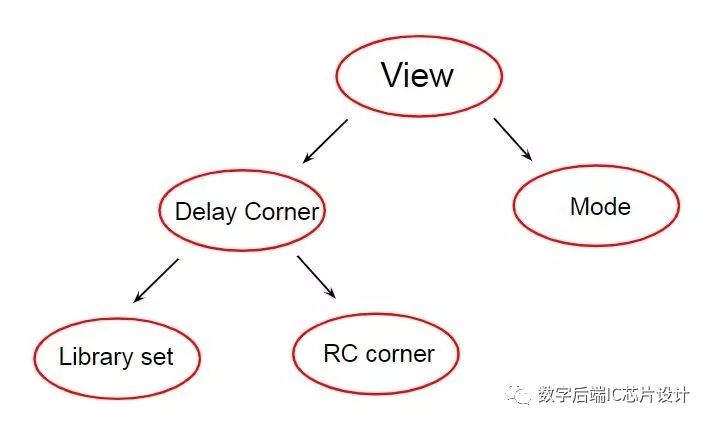
今天我们要介绍的时序分析基本概念是MMMC分析(MCMM)。全称是multi-mode, multi-corner, 多模式多端角分析模式。
时序分析基本概念介绍—Timing Arc
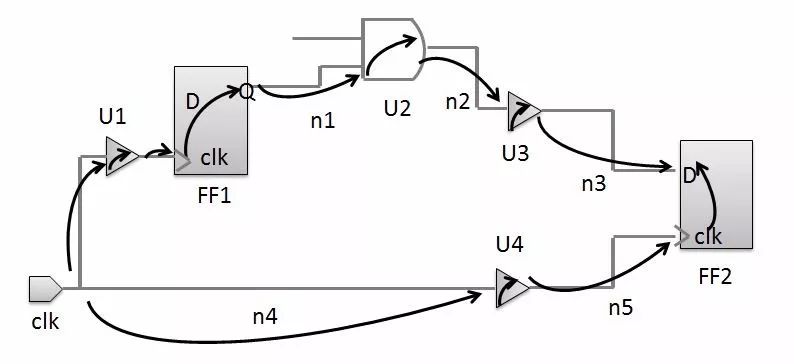
今天我们要介绍的时序基本概念是Timing arc,中文名时序弧。这是timing计算最基本的组成元素,在昨天的lib库介绍中,大部分时序信息都以Timing arc呈现。
时序分析基本概念介绍<wire load model>
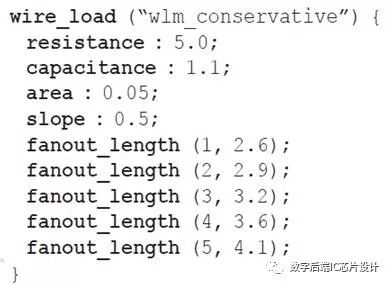
今天我们要介绍的时序分析基本概念是wire load model. 中文名称是线负载模型。是综合阶段用于估算互连线电阻电容的模型。
时序分析基本概念介绍<ILM>
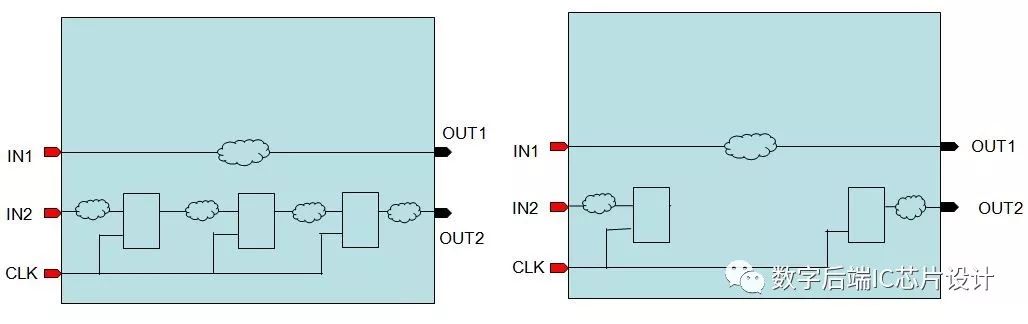
今天我们要介绍的时序分析基本概念是ILM, 全称Interface Logic Model。是一种block的结构模型。
时序分析基本概念解析
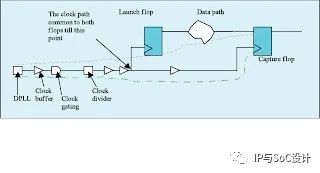
正如“聚合”的意思(字典)“两个或多个事物聚集在一起的发生”。所以我们可以假设它也与 2 个时钟路径聚集在一起有关。 (了解时钟路径请参考另一篇博客-静态时序分析基础:第1部分“时序路径”)



评论