


 家庭智能能源:MCU如何提供智能解决方案

We read countless articles about the Smart Grid, Smart Meters, and the vast industry with an awareness toward building the next generation of infrastructure. From generation to transmission and delivery, right up to that new meter installed outside any business or home, many Smart Energy improvements are benefiting electrical providers – especially at times when overburdened power grids have historically forced them to pay premium rates.
However, there is another story that might be even more interesting to the millions of consumers of electrical services, and that’s the story behind the final endpoint, where the energy is being delivered. There has been some creative thinking dedicated toward making new types of devices, such as smart thermostats that communicate with the new smart meter, and with which an energy utility can control power within commercial and public buildings, or even the millions of residences across the globe. Such ability would allow complete delivery and control of the power that the consumer is paying for to be controlled even after it has been delivered. For instance, on a day in which the grid is highly impacted, our friendly neighborhood power company can decide to remotely adjust your heating and air conditioning units to help soften the load and control demand, whether it’s desired by the public or not. From that perspective, it’s absolutely certain that such a scenario works for the infrastructure system. Yet, what if the weather is very cold and the consumer has forgotten that they signed that little waiver in their agreement with the utility company pertaining to the smart thermostat they gave up the right to have control of over the temperature in their own buildings – even though the same consumer may have originally believed that it’s for the betterment of the whole? This type of scenario is what one might term the outside-in approach, or even the utility-controlled approach. Once started, where does it all end? Indeed, consider water heaters, air conditioning, lighting, or even these emerging smart appliances. In some ways, it can feel like a sci-fi movie in which a powerful Big Brother is continually watching and controlling! Of course, we shouldn’t heap on too much gloom and doom – but it certainly won’t hurt to keep a sweater handy.
There is an additional model which is an interesting approach, and that’s the inside-out model, in which technology is implemented inside the building to help achieve both goals. In effect, the inside-out model would measure all energy use inside the exterior wall with the smart meter, but allow all final usage decisions to be made by the folks inside that wall who pay for what they use, yet still retain control of the decision as to how much to use and when. Now both of these methods are still being accomplished to some extent with similar technology, but apply the process somewhat differently. These applications are supported by smart little microcontrollers that have clever embedded capabilities to monitor, alert, notify and advise both the end customer and utility services when power usage is at peak load, or when usage is detected during more expensive periods during the day.
Let’s say that you’ve got a new clothes dryer, and it’s smart enough to use the MCU real-time clock and communicate wirelessly with the external meter. This dryer, being so smart, advises when doing a load of clothes is both grid-smart and cost-wise. During the middle of the day, rates can be at their highest and the dryer flashes a warning notification to that effect. After 9:00 p.m., however, this smart dryer advises that it can dry the same load of clothes for $0.50 less, clearly displayed on its instrument panel. In effect, the dryer becomes a helpful power adviser. Multiply that by how many loads of clothes a busy family dries each month and it quickly adds up to a significant savings off the family power bill.
Look at a new smart water heater with a microcontroller that works on a cycling function. Basically these water heaters are large batteries that hold heat for 1-2 hours and don’t need the full heat blasting always on, or even leveraging an instant on feature or something pretty close to what is an acceptable time to wait for a hot shower, let’s say five minutes. Now by implementing a microcontroller with a RTC feature, that same water heater can be cycled through timing sessions to keep the water hot and ready but reduce the energy used by 30-40 percent. Additionally, how about all those vampire electrical devices that relentlessly drain little bits of power all day, all week, all year, hour on the hour? There may be several perspectives as to just how much energy is wasted with these types of devices, but when that power bill hits at the end of the month, people look at it and wonder, “Where did all that power go?”
This is, of course, only a sample of where leveraging clever little devices using microcontrollers, such as the Z8FS040, can save us huge amounts of otherwise wasted power which, if saved, can yield savings benefits all across the new smart grid. If we’re listening, we’re noting that the world is in a big buzz about usage awareness and self-correcting power usage behavior. Today’s microcontrollers are like an army of mighty energy warriors that protect us from wasted energy in many ways, including their ability to sense usage in a multi-level manner, whether the application is motion sensing, power sensing, metering and monitoring; they’re always on watch and ever-effective at helping achieve good power utilization. Microcontrollers indeed offer a wide range of capabilities to manage not just one function but several important tasks all at once, making them suitable as very agile solutions. Many now are being tailored for specific energy-saving tasks that optimize millions of devices in use everywhere today, such as motors, pumps, and fans that run for long periods of time (whether they’re really needed or not). Picture an example of how microcontroller-driven smart solutions can temper the energy usage of digital signage that would otherwise continually run when no one is present. Or, imagine how a smart MCU solution can inject energy savings into the escalator at the Mall. The new age of energy on demand is simply accelerating with more of these intelligent methods being applied, even where it affects the preventive – and therefore proactive – maintenance of these same intelligent systems.
So how do all of these clever new systems get enabled? Well it’s your home-town developers and engineering heroes who are paving the way. These creative and talented folks spend hours coming up with new visions and ideas for utilizing microcontrollers to add the next level of optimization to the new and existing items we all use throughout our lives. Whether they exist in the factory, our schools, or in our homes, most everything we touch or gain a benefit from came from the mind of a dedicated engineer that is always raising the bar to the next level. At the end of the day, the phrase “Smart Grids start with Smart Folks” increasingly applies to those who are not only creating, but intelligently using the brighter ideas and solutions we build every day.
Figure 1: ZMOTION Module, an example for enabling fast motion sensing to save energy.
声明:本文内容及配图由入驻作者撰写或者入驻合作网站授权转载。文章观点仅代表作者本人,不代表电子发烧友网立场。文章及其配图仅供工程师学习之用,如有内容侵权或者其他违规问题,请联系本站处理。
举报投诉
发布评论请先 登录
相关推荐
热点推荐
为什么选择 Nordic 的低功耗蓝牙解决方案?
,我们的协议栈可提供具有行业领先互操作性的强大蓝牙 LE 通信。
经过验证的质量、可靠性和互操作性: 在数以千计的开发人员和数十亿无线 SoC 出货量的支持下,我们的解决方案可提供无与伦比的质量
发表于 04-16 10:40
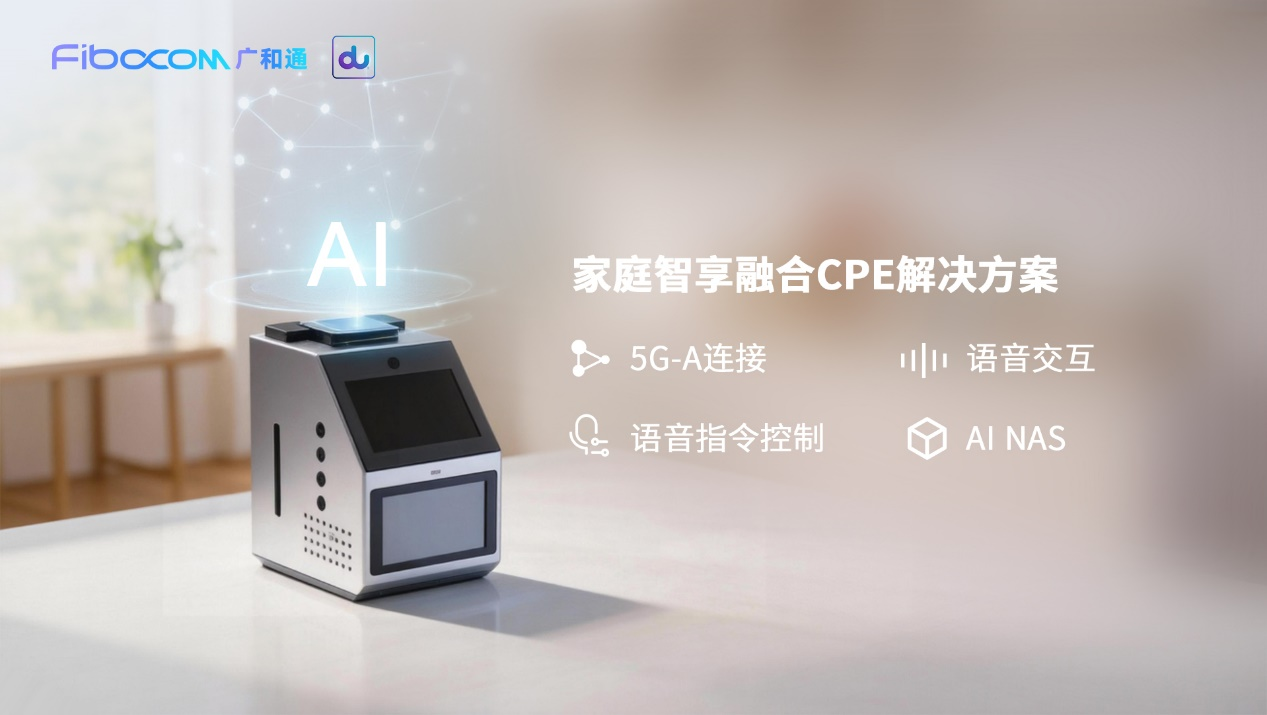
广和通携手du发布家庭智享融合CPE解决方案,以AI NAS重构家庭数据交互新体验
用户带来更具温度的智慧家庭解决方案。 广和通于2025年10月法国NetworkX展发布家庭智享融合CPE解决方案,颠覆传统5G CPE形态,集成智
华为将于MWC 2026发布新代际智能运维运营解决方案
迈向全面智能化,华为在MWC26巴塞罗那期间正式发布首个面向智能运维运营领域的AI-Native框架和新代际智能解决方案。
基于i.MX RT106V跨界MCU的智能语音UI边缘就绪解决方案
基于i.MX RT106V跨界MCU的智能语音UI边缘就绪解决方案 在当今智能化的时代,智能语音交互技术在工业和物联网领域的应用越来越广泛。
华为数字能源商用发布FusionSolar9.0电站智能光伏解决方案
电站智能光伏解决方案,以技术创新为全球清洁能源大基地提供投资收益、电网稳定、智能营维、安全可靠四大维度的更优解,并与业界专家共同探讨转型期清
重磅!腾视科技新官网正式上线,AI算力与智能解决方案一键直达
从AI算力模组到全栈智能解决方案,从技术研发到场景落地,腾视科技始终以 “前沿技术落地者” 为定位,助力产业智能化升级。新官网的上线,是我们与世界对话的新起点,未来,我们期待与更多伙伴携手,用AI之力,共创智能新未来!
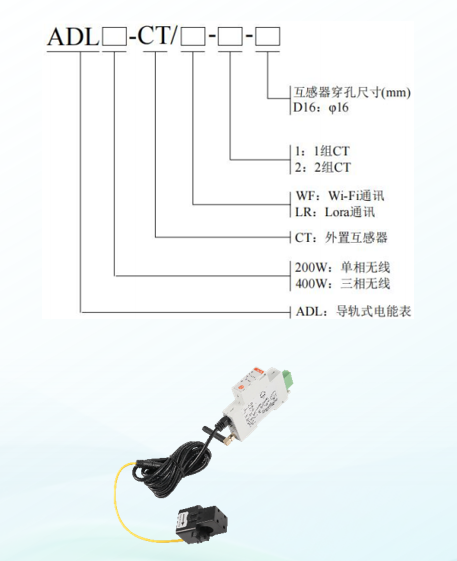
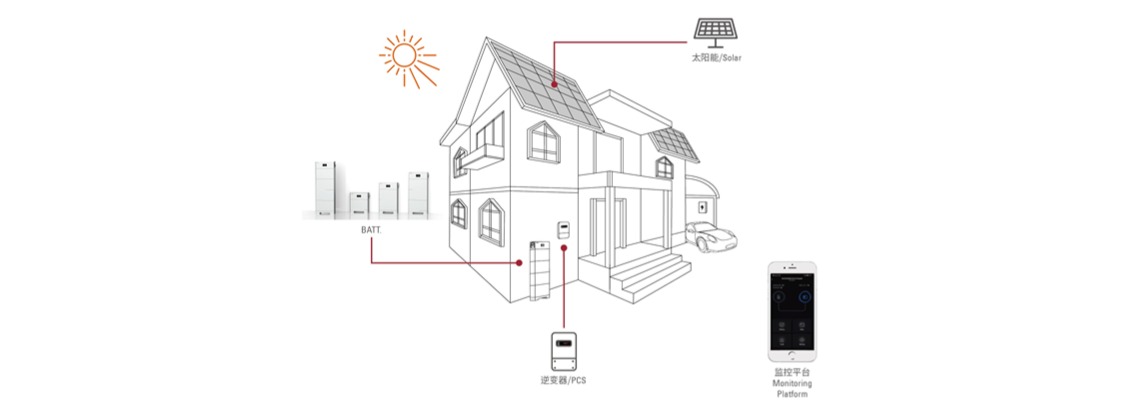
赋能绿色生活,智控能源未来 —— 安科瑞新能源配套仪表解决方案
产品背景 在能源转型与智能化家居浪潮交织的今天,每一个家庭187都有潜0210力成6706为一个小小的“绿色发电站”。如何高效、安全、智能地管理自家产生的太阳能电力,并将其与储能系统、
知行科技携辅助驾驶和具身智能解决方案亮相IAA MOBILITY 2025
9月9日,知行科技携辅助驾驶和具身智能解决方案亮相2025年德国国际汽车及智慧出行博览会(IAA MOBILITY)。作为欧洲和全球汽车产业发展的风向标,拥有百年历史的IAA已从汽车展会转型成为移动
低功耗蓝牙智能门锁应用
APP、服务器的全方位的解决方案。也可提供BLE蓝牙门锁模块硬件设备,在客户的现有传统门锁上,增加我们的低功耗蓝牙模块,通过串口进行通信,手机APP及服务器实现智能化升级,即可实现手机APP对门锁的控制
发表于 06-25 09:47
瑞之辰MEMS传感器在工业控制领域的智能解决方案
,为工业控制、新能源、电网、家用家电等领域输出一系列MEMS传感器智能解决方案,助力产业升级与智能化转型。创新产品亮点,精准赋能工业控制瑞之辰基于MEMS硅基传感

连锁超市冷库节能解决方案:智能控制化霜+实时监控,省电省钱一步到位!
如何通过技术升级实现冷库节能降耗?本文结合行业最新技术实践,为连锁超市提供一套智能控制化霜+实时监控+远程管理的一站式节能解决方案,助您省电15%-60%,年省电费超10万元!
浅谈华为Green Core系统级智能网络云节能解决方案
首先祝贺 “Green Core”系统级智能网络云节能解决方案荣获2024年度中国SDN、NFV、网络AI优秀案例“最佳应用创新奖”。能否简要介绍这一方案的核心价值?
明远智睿SSD2351开发板:智能家居的智能核心
数据,如温度、湿度、光照强度等,为智能家居系统的自动化控制提供准确的数据支持。全开源的开发资料和一对一的技术支持,让开发者可以根据用户的需求定制个性化的智能家居解决方案,不断提升
发表于 05-07 18:59



评论