


 在OpenHarmony上实现弹性动效的方法

在动画开发场景中,经常用到弹性效果,尤其在拖拽某个对象时经常伴随弹性动效。
OpenHarmony 提供了三种弹簧动画曲线用来实现弹性效果,本例将为大家介绍这三种曲线的用法。
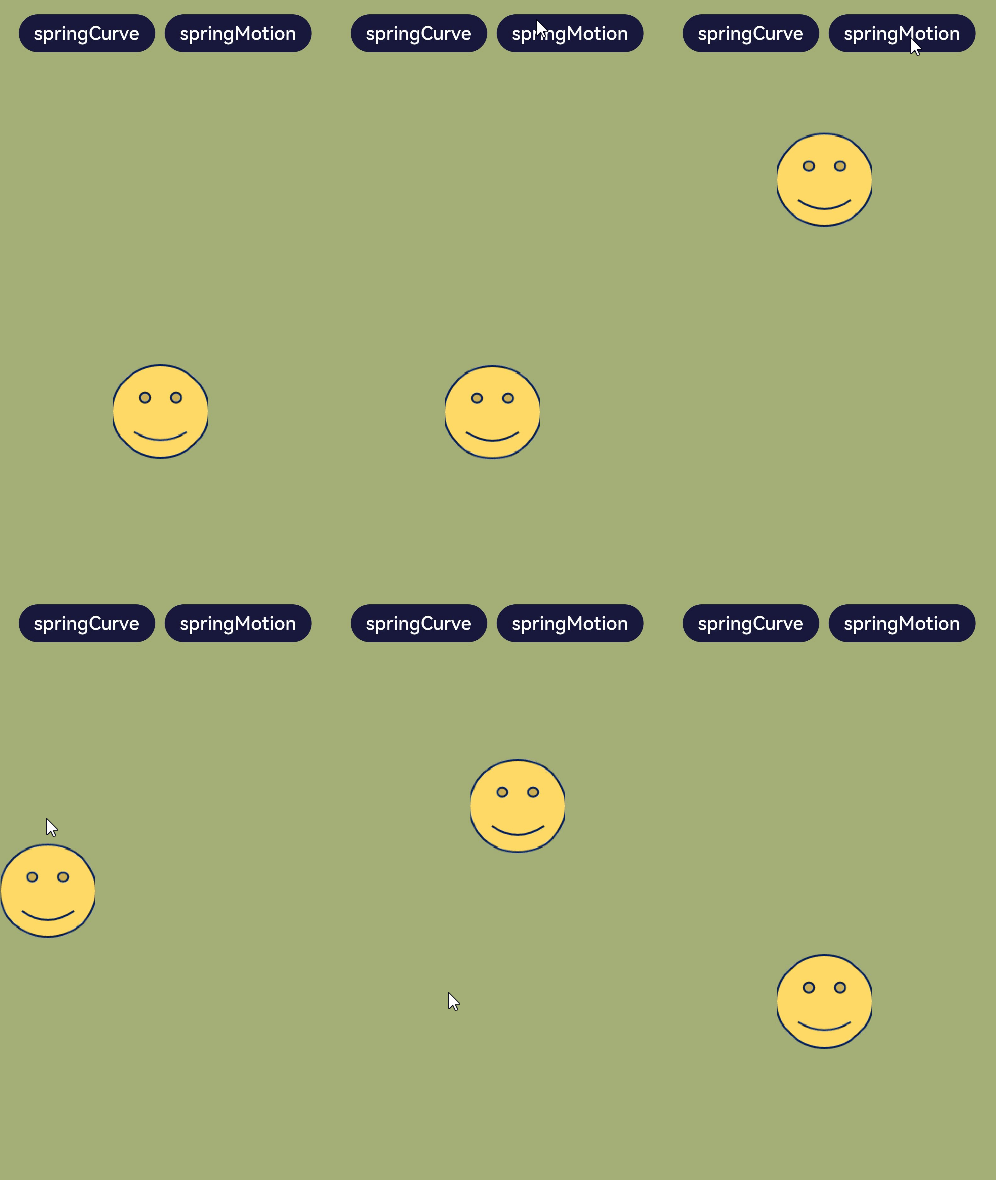
最终效果如下:
运行环境
本例基于以下环境开发,开发者也可以基于其他适配的版本进行开发:
IDE:DevEco Studio 3.1 Beta2
SDK:Ohos_sdk_public 3.2.11.9(API Version 9 Release)
实现思路
本例主要用到以下三种弹簧动画曲线:
curves.springCurve:通过设置弹簧的初始速度、质量、刚度和阻尼来控制弹簧动画的效果。对应本例中 springCurve 按钮触发的动画。
curves.springMotion:通过设置弹簧震动时间和阻尼来控制弹簧动画的效果。对应本例中 springMotion 按钮触发的动画。
curves.responsiveSpringMotion:构造弹性跟手动画曲线对象,是springMotion的一种特例,仅默认参数不同,可与 springMotion 混合使用。用来实现拖拽动画。
开发步骤
①搭建 UI 框架
样例中有两个按钮,一个图片。内容整体纵向分布,两个按钮横向分布。纵向布局可以采用 Column 组件,横向布局可以采用 Row 组件。
代码如下:
@Entry
@Component
structImageComponent{
build(){
Column(){
Row(){
Button('springCurve')
.margin({right:10})
.fontSize(20)
.backgroundColor('#18183C')
Button('springMotion')
.fontSize(20)
.backgroundColor('#18183C')
}
.margin({top:30})

Image($r("app.media.contact2"))
.width(100)
.height(100)
}.width("100%").height("100%").backgroundColor('#A4AE77')
}
}
②为 springCurve 按钮添加 curves.springCurve 的曲线动画。
...
//定义状态变量translateY,用来控制笑脸图像的位移
@StatetranslateY:number=0
...
Button('springCurve')
.margin({right:10})
.fontSize(20)
.backgroundColor('#18183C')
//绑定点击事件
.onClick(()=>{
//在点击事件中添加显示动画
animateTo({
duration:2000,
//设定curves.springCurve为动画曲线
curve:curves.springCurve(100,10,80,10)
},
()=>{
//改变translateY的值,使笑脸图像发生位移
this.translateY=-20
})
this.translateY=0
})
...
Image($r("app.media.contact2"))
.width(100)
.height(100)
//为笑脸图像添加位移属性,以translateY为参数
.translate({y:this.translateY})
...
效果如下: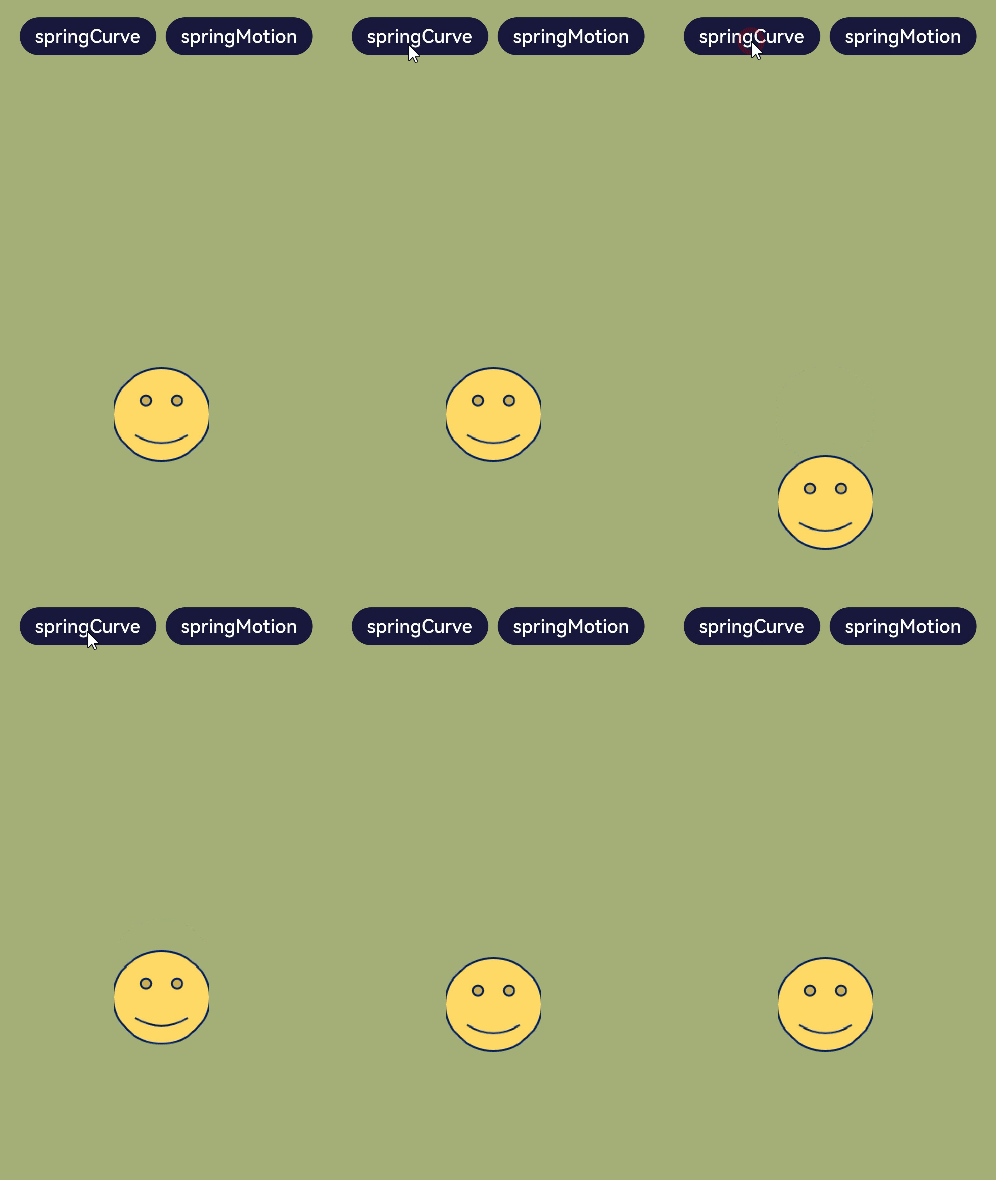
③为 springMotion 按钮添加 curves.springMotion 曲线动画。
这里通过 position 属性控制 springMotion 按钮的移动,当然开发者也可以继续选择使用 translate 属性。
...
//定义状态变量translateY,用来控制笑脸图像的位置变化
@StateimgPos:{
x:number,
y:number
}={x:125,y:400}
...
Button('springMotion')
.fontSize(20)
.backgroundColor('#18183C')
//绑定点击事件
.onClick(()=>{
//在点击事件中添加显示动画
animateTo({
duration:15,
//设定curves.springMotion为动画曲线
curve:curves.springMotion(0.5,0.5),
onFinish:()=>{
animateTo({duration:500,
curve:curves.springMotion(0.5,0.5),},()=>{
//动画结束时笑脸图像位置还原
this.imgPos={x:125,y:400}
})
}
},()=>{
//改变笑脸图像位置,y轴位置由400,变为150
this.imgPos={x:125,y:150}
})
})
...
Image($r("app.media.contact2"))
.width(100)
.height(100)
.translate({y:this.translateY})
//为笑脸图像添加位置属性,以imgPos为参数
.position(this.imgPos)
...
效果如下: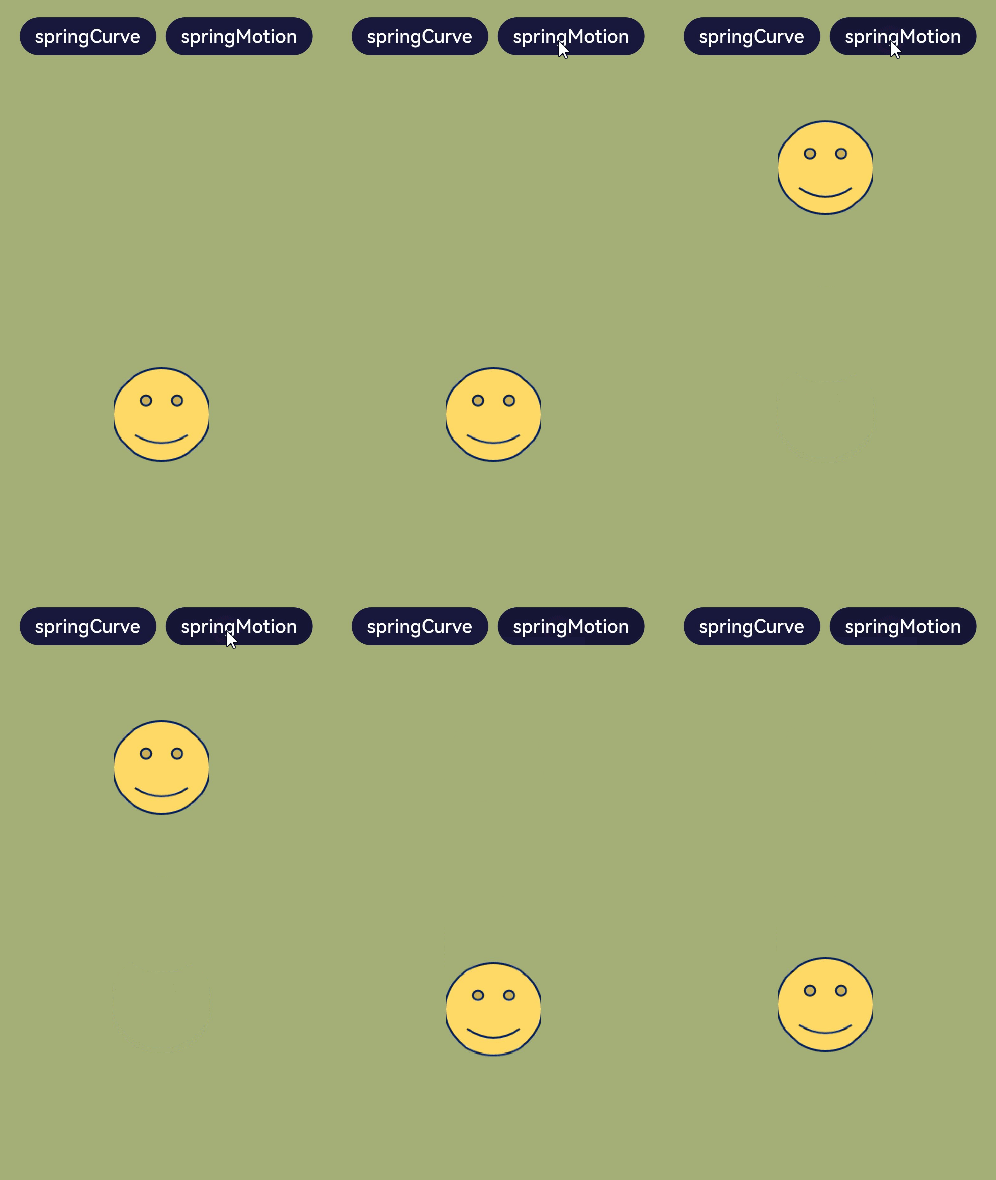
④使用 curves.responsiveSpringMotion 为笑脸图像添加拖拽动画。
...
Image($r("app.media.contact2"))
.width(100)
.height(100)
.translate({y:this.translateY})
.position(this.imgPos)
//绑定触摸事件
.onTouch((event:TouchEvent)=>{
//当触摸放开时,笑脸图像位置还原
if(event.type==TouchType.Up){
animateTo({
duration:50,
delay:0,
curve:curves.springMotion(),
onFinish:()=>{
}
},()=>{
this.imgPos={x:125,y:400}
})
}else{
//触摸过程中触发跟手动画
animateTo({
duration:50,
delay:0,
//设定跟手动画曲线
curve:curves.responsiveSpringMotion(),
onFinish:()=>{
}
},()=>{
//根据触点位置改变笑脸图像位置,从而实现跟手动画
this.imgPos={
x:event.touches[0].screenX-100/2,
y:event.touches[0].screenY-100/2
}
})
}
})
...
效果如下: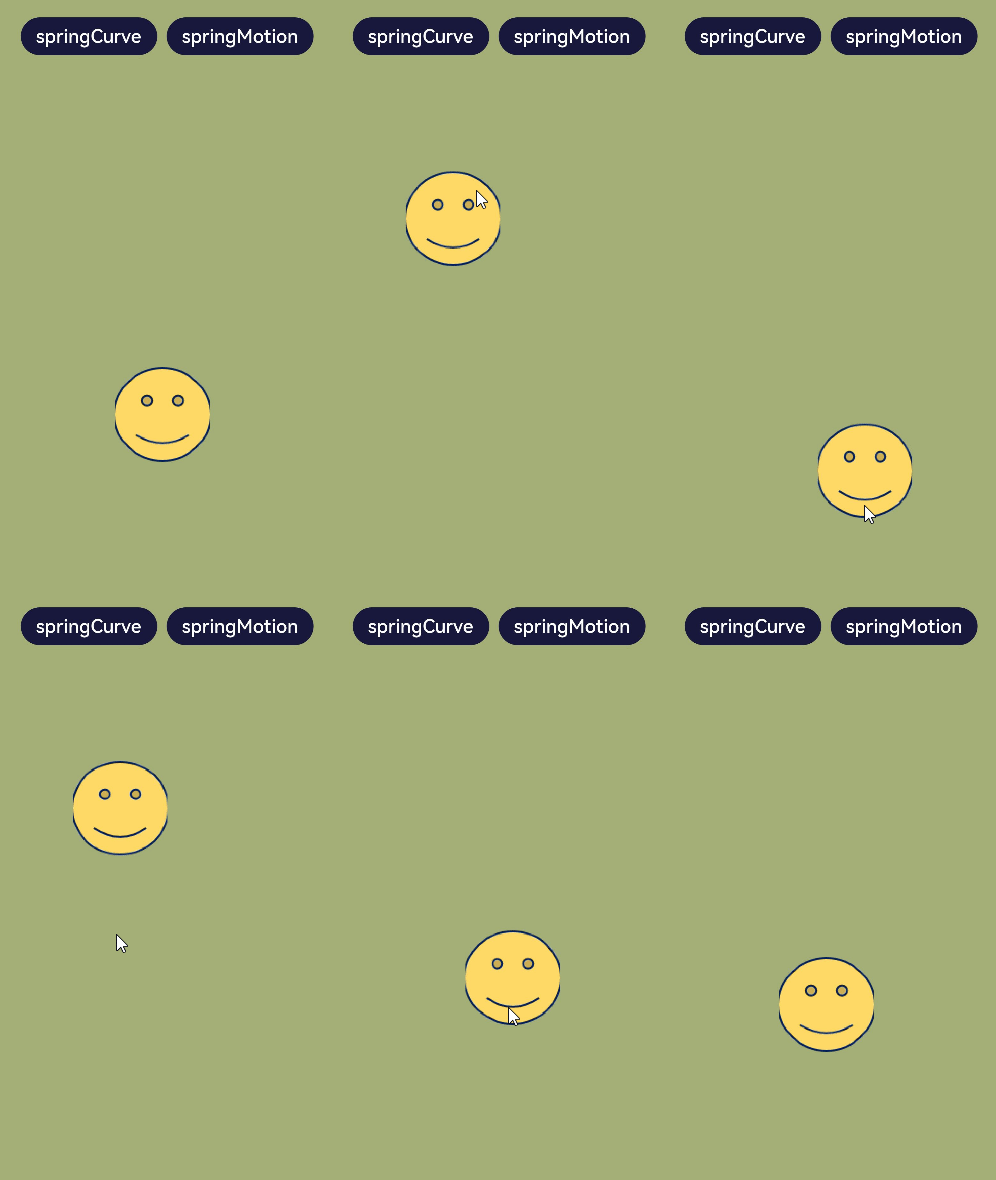
完整代码
本例完整代码如下:
importcurvesfrom'@ohos.curves';

@Entry
@Component
structImageComponent{
//定义状态变量translateY,用来控制笑脸图像的位移
@StatetranslateY:number=0
//定义状态变量translateY,用来控制笑脸图像的位置变化
@StateimgPos:{
x:number,
y:number
}={x:125,y:400}

build(){
Column(){
Row(){
Button('springCurve')
.margin({right:10})
.fontSize(20)
.backgroundColor('#18183C')
//绑定点击事件
.onClick(()=>{
//在点击事件中添加显示动画
animateTo({
duration:2000,
//设定curves.springCurve为动画曲线
curve:curves.springCurve(100,10,80,10)
},
()=>{
//改变translateY的值,使笑脸图像发生位移
this.translateY=-20
})
this.translateY=0
})
Button('springMotion')
.fontSize(20)
.backgroundColor('#18183C')
//绑定点击事件
.onClick(()=>{
//在点击事件中添加显示动画
animateTo({
duration:15,
//设定curves.springMotion为动画曲线
curve:curves.springMotion(0.5,0.5),
onFinish:()=>{
animateTo({duration:500,
curve:curves.springMotion(0.5,0.5),},()=>{
//动画结束时笑脸图像位置还原
this.imgPos={x:125,y:400}
})
}
},()=>{
//改变笑脸图像位置,y轴位置由400,变为150
this.imgPos={x:125,y:150}
})
})
}
.margin({top:30})

Image($r("app.media.contact2"))
.width(100)
.height(100)
//为笑脸图像添加位移属性,以translateY为参数
.translate({y:this.translateY})
//为笑脸图像添加位置属性,以imgPos为参数
.position(this.imgPos)
//绑定触摸事件
.onTouch((event:TouchEvent)=>{
//当触摸放开时,笑脸图像位置还原
if(event.type==TouchType.Up){
animateTo({
duration:50,
delay:0,
curve:curves.springMotion(),
onFinish:()=>{
}
},()=>{
this.imgPos={x:125,y:400}
})
}else{
//触摸过程中触发跟手动画,同样通过animateTo实现动画效果
animateTo({
duration:50,
delay:0,
//设定跟手动画曲线
curve:curves.responsiveSpringMotion(),
onFinish:()=>{
}
},()=>{
//根据触点位置改变笑脸图像位置,从而实现跟手动画
this.imgPos={
x:event.touches[0].screenX-100/2,
y:event.touches[0].screenY-100/2
}
})
}
})
}.width("100%").height("100%").backgroundColor('#A4AE77')
}
}
审核编辑:刘清
-
触摸屏
+关注
关注
42文章
2498浏览量
122465 -
OpenHarmony
+关注
关注
33文章
3973浏览量
21343
原文标题:OpenHarmony上实现弹性动效
文章出处:【微信号:gh_834c4b3d87fe,微信公众号:OpenHarmony技术社区】欢迎添加关注!文章转载请注明出处。
发布评论请先 登录
家庭、单位用电安全,需要“在弹性范围内、弹性连接”的接线端子
OpenHarmony 3.1 Beta版本关键特性解析——OpenHarmony图形框架
为什么要在OpenHarmony设备上安装Dropbear呢
app图标动效在openharmony的源码上哪里实现的?
网络组件axios可以在OpenHarmony上使用了
开源图形驱动在OpenHarmony上的使用和落地

云计算弹性评测模型的研究与实现
基于距离徙动校正的弹速补偿FPGA实现方法
OpenHarmony生态论坛:支付终端在OpenHarmony上的安全框架
OpenHarmony生态论坛:UROVO在OpenHarmony上的规划和实践


OpenHarmony实战开发-如何实现组件动画。




评论